Do Cemeteries in Utah Have Headstone Style Restrictions?
Planning a memorial is a deeply personal act of love. You want to create a tribute that perfectly reflects the life and spirit of your loved one. But as you begin exploring options, you might encounter an unexpected question: Do cemeteries in Utah have headstone style restrictions?
The short answer is yes, almost all cemeteries do. Understanding these guidelines is a crucial first step in the memorialization process. At Richfield Monuments, we’ve been helping families navigate these regulations for over 130 years, ensuring that the final tribute is both beautiful and compliant. Think of us not just as craftsmen, but as your guides through every detail, from initial design to cemetery installation.
Why Do Cemeteries Have Rules for Headstones?
Cemetery regulations might seem limiting at first, but they exist for several important reasons. They are designed to:
Ensure Uniformity and Aesthetics: Rules help maintain the peaceful, cohesive look of the cemetery grounds, creating a dignified environment for everyone.
Simplify Maintenance: Standardized sizes and materials allow cemetery staff to mow, trim, and care for the grounds efficiently and safely without risking damage to monuments.
Guarantee Long-Term Stability: Regulations often dictate foundation requirements to ensure that heavy monuments remain upright and stable for generations.
Common Headstone Style Restrictions in Utah
While each cemetery has its own unique set of guidelines, most restrictions fall into a few common categories. Knowing what to look for will help you have a more informed conversation with your monument provider.
1. Material Restrictions
Most cemeteries require monuments to be made from durable, long-lasting materials. This is why granite is the overwhelming favorite. Its hardness and resistance to weathering make it ideal for a permanent tribute. Some cemeteries may also allow bronze (often set on a granite base) or marble, but many have moved away from marble due to its tendency to erode over time. Cheaper materials like concrete, sandstone, or limestone are almost universally prohibited.
2. Size and Dimensions
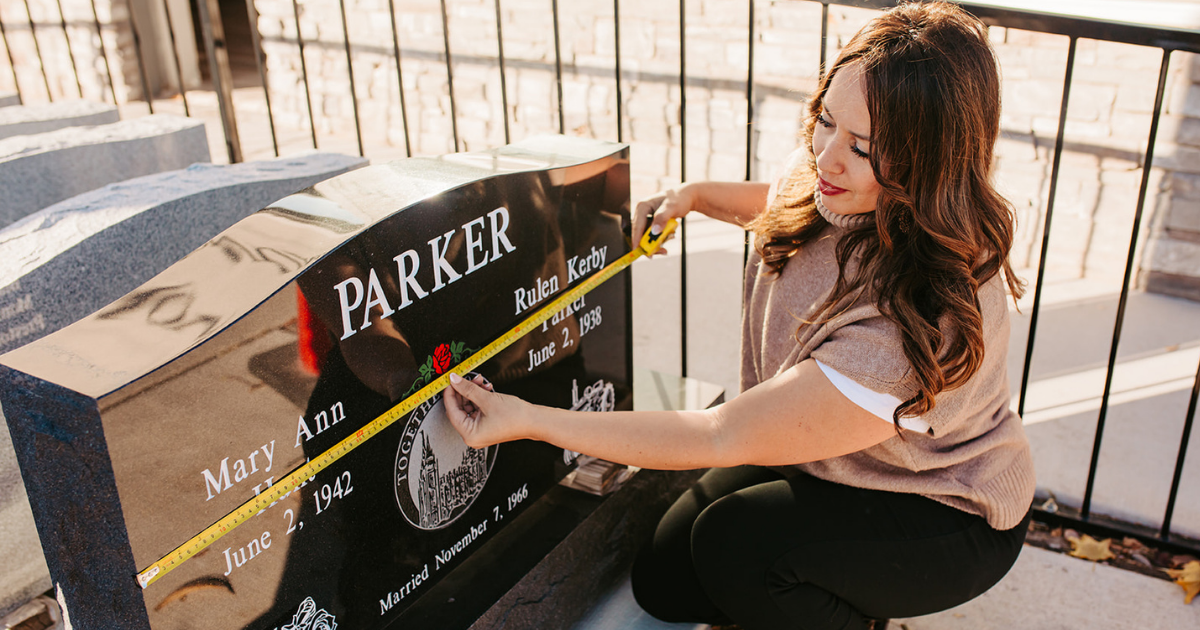
This is one of the most common restrictions. Cemeteries divide their land into plots, and each plot has a designated area for a monument. Regulations will specify the maximum allowed:
Height for upright headstones
Width to ensure it fits within the plot's boundaries
Thickness of the stone
A monument that is too large for its plot can encroach on neighboring spaces and interfere with maintenance.
3. Style and Type
Cemeteries often designate specific sections for certain monument styles. The primary distinction is between:
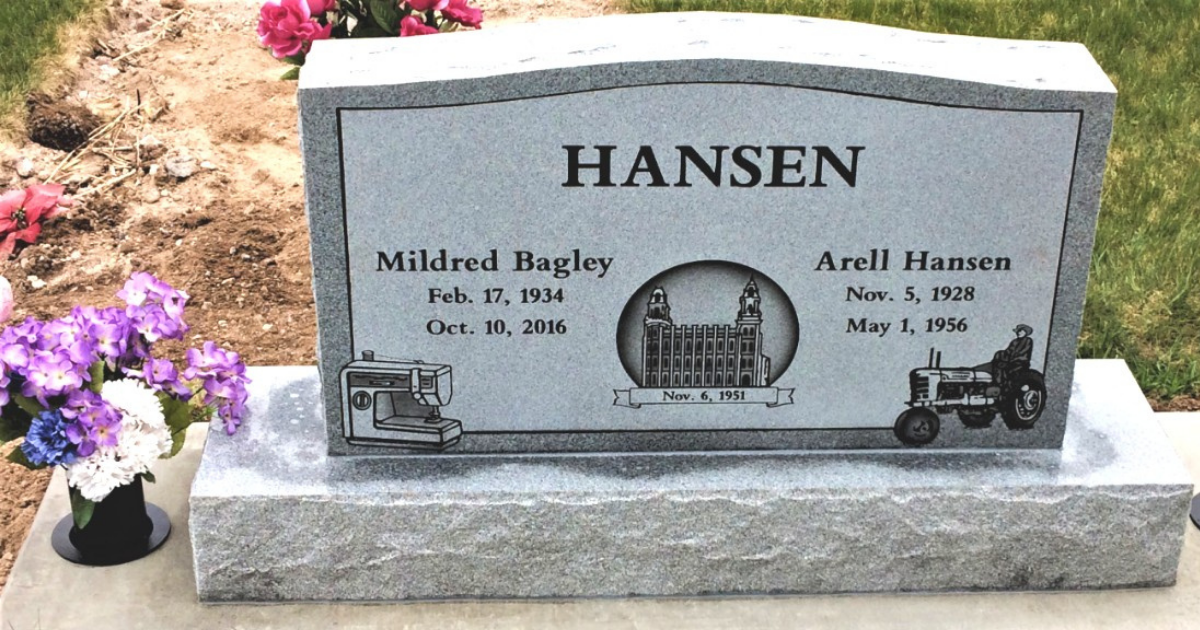
Upright Headstones: Traditional vertical monuments. Some older or more traditional cemeteries may only allow these in certain sections.
Flat Markers (or Lawn-Level Markers): These lie flush with the ground and are often required in newer sections or "memorial lawns" to simplify maintenance and create an unbroken expanse of grass.
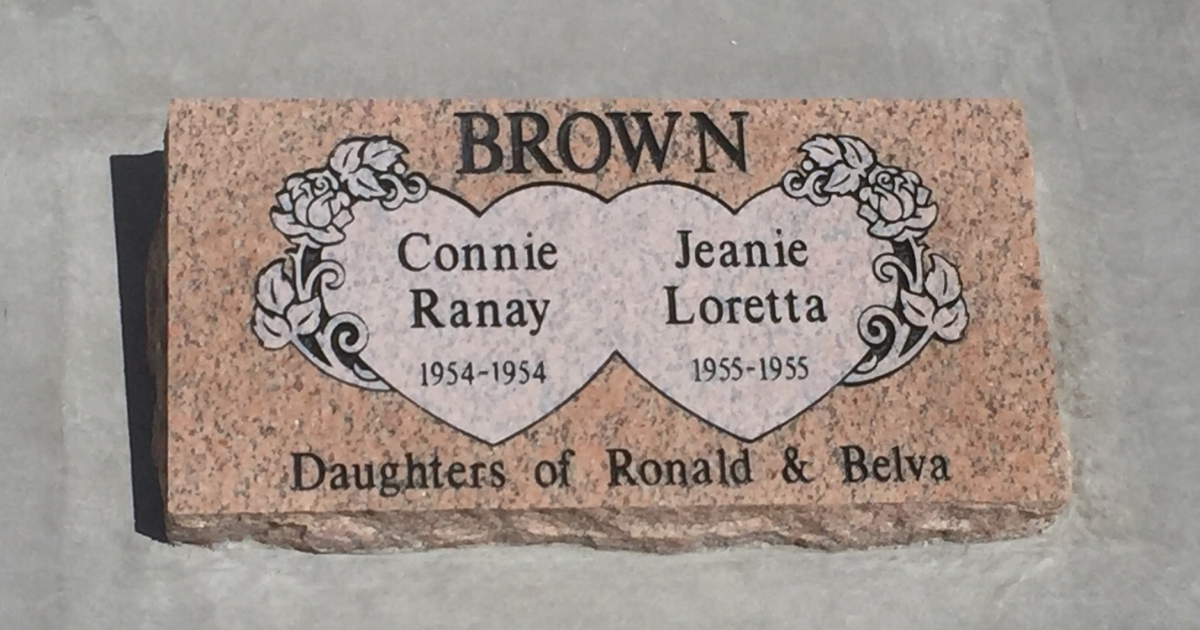
Some cemeteries also allow bevels (low-to-the-ground markers with a slight rise) or have specific rules for companion monuments designed for two people.
4. Base and Foundation Requirements
Most upright monuments cannot simply be placed on the ground. Cemeteries typically require a concrete foundation or base to be installed first. This provides a level, stable platform that prevents settling and leaning over time. The size and specifications for this foundation are almost always dictated by the cemetery.
5. Design and Content
While cemeteries generally allow for significant personalization, some may have guidelines on:
Protrusions: Items like statues, vases, or elaborate carvings that extend beyond the monument's main body may be restricted.
Inscriptions and Artwork: Regulations are usually liberal, but it's always wise to confirm there are no restrictions on specific symbols, portraits, or etchings. The focus is almost always on the appropriateness and dignity of the memorial.
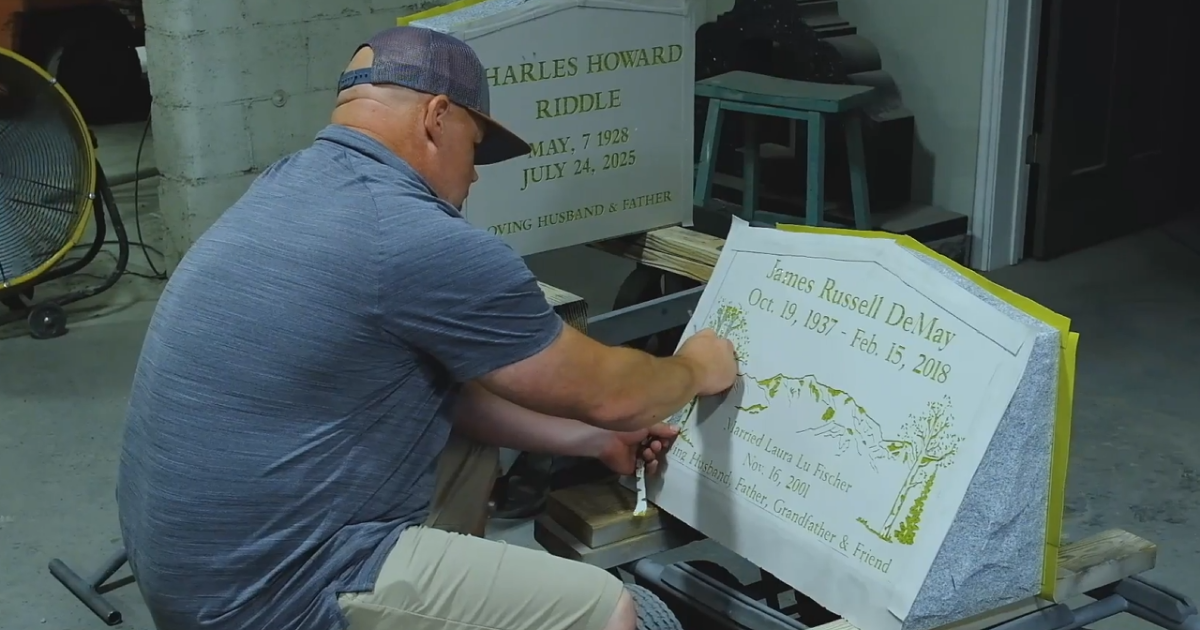
How Richfield Monuments Takes the Stress Out of Compliance
Navigating these rules can feel overwhelming, especially while you are grieving. This is where our experience becomes your greatest asset. As a local monument company serving Utah families since 1895, we don't just build beautiful memorials—we build strong relationships with cemeteries throughout the region.
When you choose Richfield Monuments, we handle all the complexities for you:
We Know the Rules: Our team is knowledgeable about the specific headstone style restrictions at various cemeteries. We can advise you on what styles, sizes, and materials are permitted for your loved one's specific plot.
We Coordinate with the Cemetery: We will work directly with cemetery staff to verify regulations, secure necessary permits, and ensure all requirements are met.
We Design Within the Guidelines: Our design experts will help you create a fully personalized tribute that honors your vision and fits perfectly within the cemetery's rules. Whether you dream of a traditional upright granite headstone, an elegant flat marker, or a custom piece with intricate artwork, we will guide you toward a design that is both meaningful and approved.
We Manage Installation: From pouring the correct foundation to the final placement, we oversee the entire installation process, giving you peace of mind that everything is done correctly and respectfully.
Start with the Right Information
The key to a smooth memorial process is starting with the right information. Before you fall in love with a specific design, it's essential to understand the guidelines of your specific cemetery.
We invite you to contact us for a free, no-obligation consultation. We’ll sit down with you, listen to your ideas, and help you understand your options in light of any cemetery regulations. With Richfield Monuments by your side, you can focus on what truly matters: creating a lasting, beautiful tribute to your loved one, confident that every detail is handled with care, compassion, and over a century of expertise.
