How Weather Affects Headstones in Utah (And What You Can Do About It)
Utah's dramatic beauty comes with equally dramatic weather. From scorching summer sun to freezing winter snow, these conditions don't just affect your daily commute, they affect headstones. Understanding how weather affects headstones helps you protect a loved one's memorial for generations.
The Utah Challenge: Four Seasons, One Stone
Utah experiences over 300 days of sunshine annually. That sounds pleasant until you realize UV radiation slowly fades inscriptions and damages stone surfaces. Winter brings snow, ice, and freeze-thaw cycles. Spring delivers rain and temperature swings. Each season attacks headstones differently.
At Richfield Monuments, we've served Utah families since 1895. That's over 130 years of watching weather interact with memorials. Here's what we've learned about how weather affects headstones, and what actually works to prevent damage.
Primary Weather Threats to Headstones
Freeze-Thaw Cycles
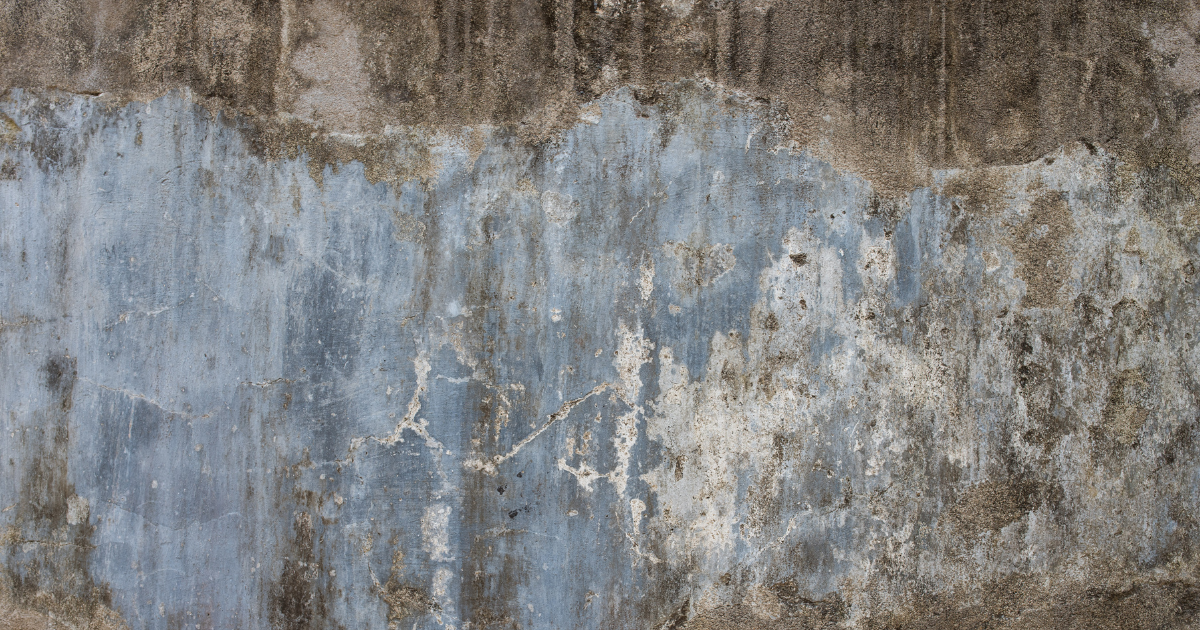
Utah temperatures frequently dip below freezing at night and rise above during the day. Water seeps into microscopic pores in the stone. When water freezes, it expands by 9%. This expansion cracks stone from the inside. Repeated cycles cause flaking, spalling, and eventually structural failure.
Solar Radiation
Direct Utah sun bleaches colored granite. Dark stones lighten. Lettering fades. Polished surfaces become dull. UV rays break down the molecular bonds in some stone types, making them brittle and chalky.
Wind and Sand
Utah's windy seasons carry fine dust and sand particles. Over decades, this natural sandblasting erodes carved letters and softens detailed artwork. Corner edges round. Sharp inscriptions become shallow.
Rain and Moisture
Acid rain, even in Utah's clean air, contains dissolved carbon dioxide forming weak carbonic acid. This slowly reacts with calcium-based stones like marble and limestone. Granite resists better but isn't immune to moisture-related staining and biological growth.
Snow and Ice Management
Cemetery maintenance crews use deicing salts and metal plows. Salt accelerates chemical weathering. Plows nick and chip stone edges. Shovels scrape polished surfaces.
Granite: The Weather-Resistant Choice
Not all headstones handle weather equally. Marble looks elegant but weathers poorly. Sandstone erodes noticeably within decades. Granite dominates modern memorials because it's:
Dense: Low porosity means less water penetration
Hard: Resists wind erosion and scratching
Chemically stable: Igneous rock doesn't react with acid rain
Color-fast: Premium granites maintain appearance for centuries
Richfield Monuments uses only premium granite for exactly these reasons. When families ask how weather affects headstones, we show them century-old granite monuments still crisp and readable versus marble markers from the same era now illegible.
Signs Your Headstone Needs Attention
Walk through any Utah cemetery. Look for:
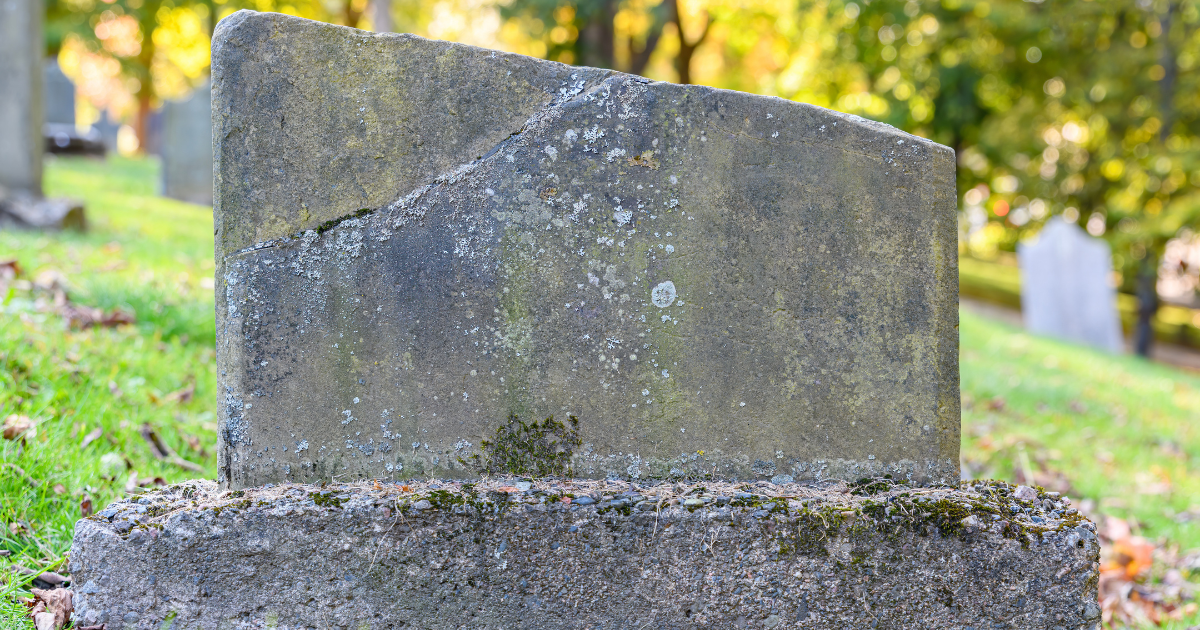
Flaking or peeling surfaces (delamination from freeze damage)
White powder on stone (salt efflorescence from moisture movement)
Cracked or missing corners
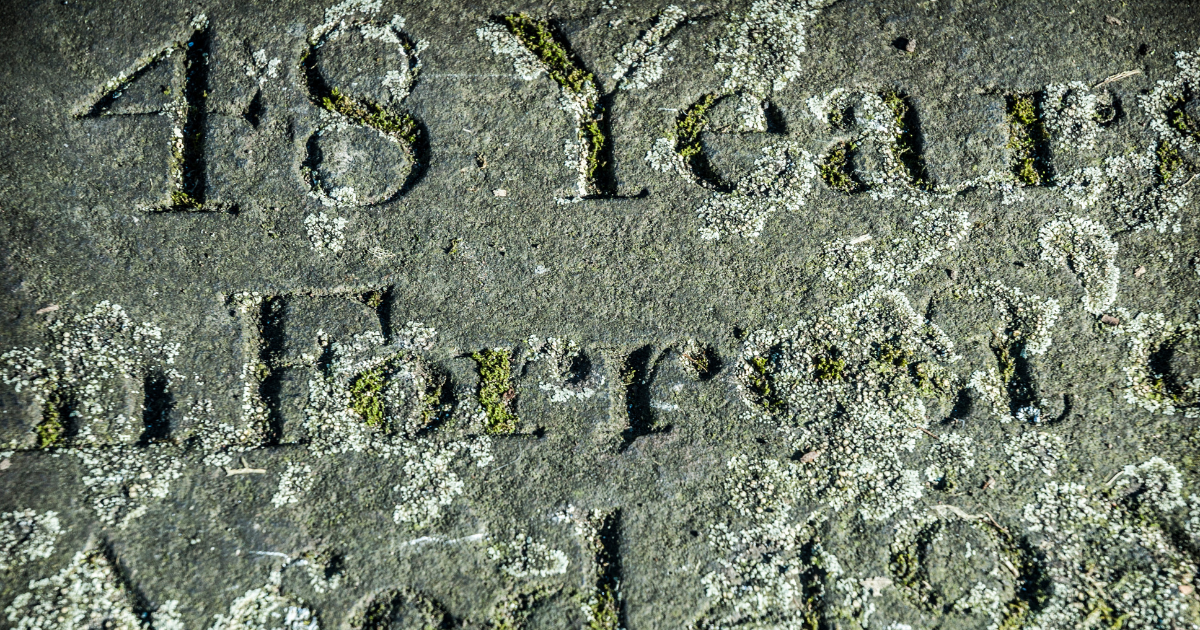
Discoloration or dark patches (biological growth)
Letters becoming shallow or disappearing
Stone leaning or settling unevenly
Catch these early. Weather damage is progressive. A small crack today becomes a broken corner in five years.
What You Can Do About Weather Damage
Immediate Protection
Don't seal granite. Sealers trap moisture inside, accelerating freeze damage. Instead:
Clean annually with water and soft brush (no pressure washers)
Remove biological growth with approved stone cleaner
Keep vegetation away from base
Report leaning monuments to cemetery staff
Professional Restoration
Deep weather damage requires expertise. Richfield Monuments offers:
Re-cutting faded inscriptions to restore legibility
Surface re-polishing for sun-damaged granite
Structural repairs for cracked or separated sections
Re-leveling sinking or tilted monuments
Deep cleaning with professional-grade biocides
Preventative Design Choices
When creating a new memorial, ask about:
Darker granite colors (hide weathering better than light stone)
Deeper letter cutting (more material to erode before illegible)
Proper foundation (prevents water pooling at base)
Lower profile designs (less wind exposure)
Why Local Expertise Matters
Weather patterns vary dramatically across Utah. A headstone that lasts 200 years in St. George might fail in 50 years near Park City. Local monument companies understand:
Cemetery-specific conditions (soil drainage, wind exposure, maintenance practices)
Regional weather patterns (where freeze cycles are worst, where sun damage dominates)
Proven stone choices (which granites actually perform in Utah conditions)
Richfield Monuments has installed thousands of memorials across Utah. We've seen how weather affects headstones in every cemetery, every microclimate, every soil type. That experience directly benefits families choosing a lasting tribute.
Weather will affect your headstone. You cannot stop it entirely. But you can choose materials and designs that resist damage for centuries. You can perform simple maintenance that prevents accelerated deterioration. And when damage appears, you can work with craftsmen who restore rather than replace.
A quality granite monument from a reputable local company, maintained properly, will honor your loved one for 200 years or more. That's not a guarantee against weather. It's a partnership between enduring materials, expert craftsmanship, and your annual care.
Richfield Monuments designs, fabricates, installs, and restores headstones that withstand Utah's challenging climate. Because honoring a life shouldn't mean fighting the elements alone.
Contact us for a free consultation about new monuments or restoring weather-damaged existing headstones.